

Introduction
Our lives are greatly impacted by electronic devices and circuits, which enable us to communicate, travel, receive medical care, and accomplish a host of other tasks. Strong electromagnetic disturbances known as electromagnetic pulses, or EMPs, have the potential to harm these electronics. An electromagnetic pulse (EMP) can damage or even destroy electronic devices’ circuits and systems.
EMPs can be caused by solar storms, nuclear explosions, or the employment of specific electromagnetic weaponry by humans. A brief yet powerful pulse might pose serious issues because many technologies rely on tiny circuits.
Knowing how EMPs affect devices and how to lessen the damage is crucial for engineers, emergency planners, and ordinary people. To reduce the risk of device damage, we can employ techniques such as surge protection, customized storage, and shielding.
Electron Devices and Circuits
Electron devices and circuits gadgets are crucial to our technology. They function by allowing regulated electron passage across components. They can compute information, communicate with one another, perceive what is happening, and regulate power thanks to this. There are many uses for electron devices & circuits, and gadgets. They are excellent at assisting humans with tasks involving electronic devices and circuits, such as computation, communication, sensing, and power regulation.
Therefore, an electronic device is a machine or tool that handles electrical impulses via circuits. Anything that contains these circuits, which enable humans to process or regulate the electrical signals that power the gadget, is considered an electron devices and circuits. We are surrounded by electronic devices. Every day, we make use of them.
Passive & Active Components
Passive components store or dissipate energy instead of producing it.
Resistor
- Anything that restricts current is called a resistor.
- Resistors are used for biasing and voltage division.
Capacitor
- One device that stores energy in a field is a capacitor.
- The Farad, or simply F, is the unit of measurement used for capacitors.
Inductor
- A component that stores energy in a field is called an inductor.
- The Henry, or simply H, is the unit we use to measure inductors.
Diodes
- Diodes are really useful for making sure electricity flows in one direction.
- They help with something called rectification.
- This means Diodes let electricity flow in one direction.
Transistors
- Transistors are pretty cool because they can do two things.
- They can work as switches. They can work as amplifiers.
Operational Amplifiers
- Operational amplifiers are special because they can do a lot of things.
- Operational amplifiers are good for doing math problems. They can also filter and amplify things.
- This is because Operational amplifiers are high-gain devices.
Analogue Vs Digital Circuits
Analog Circuits
- Utilise continuous signals in your work.
- Examples include filters and amplifiers.
Digital Circuits
- Use discrete signals (0 and 1) in your work.
- Constructed with logic gates.
Integrated Circuits (ICs)
These parts include transistors, resistors, and capacitors. They are all part of a circuit or IC.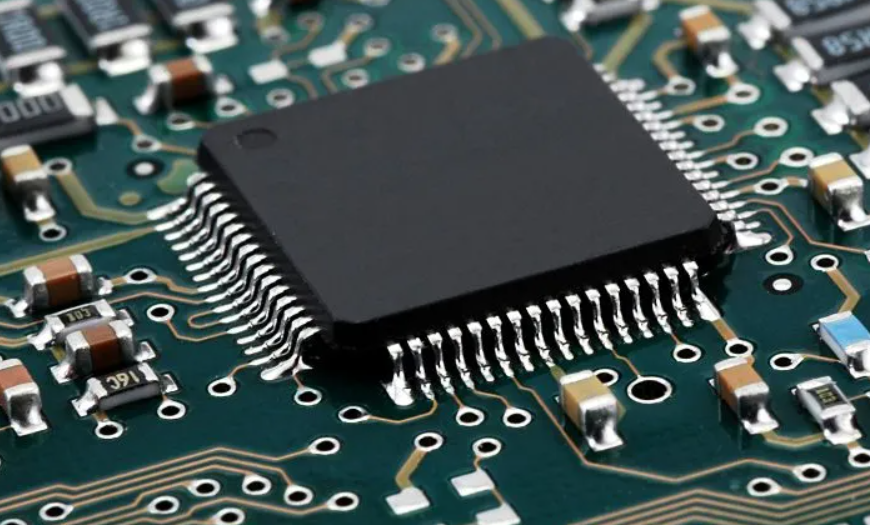
- They are very important for making types of electronics.
- It helps to make devices work properly.
- These tiny chips help make many devices small and efficient.
Oscillator Types
LC Oscillators
- We can use an inductor and a capacitor to determine the frequency.
- The Colpitts and Hartley oscillators are used for this.
RC Oscillators
- Uses resistors and capacitors to set frequency.
- The Wien bridge oscillators and phase-shift oscillators are examples that use them.
- These are usually related to frequencies.
- They often involve resistors and capacitors.
Crystal oscillators
- You can use a quartz crystal to get a steady frequency.
- When you add electricity to the quartz crystal, it starts to vibrate at a frequency.
Relaxation Oscillators
- We must generate non-sinusoidal waveforms to create a triangle-shaped wave.
- To manage the frequency, we employ a network.
- We refer to this network as an RC timing network.
- It aids in controlling the wave’s frequency.
- For instance, we can accomplish this by using a device known as a multivibrator.
- One kind of circuit that can create these triangle-shaped waves is the astable multivibrator.
Realistic Aspects
- Power ratings: Make sure parts can handle voltage and current safely.
- Temperature effects: Temperature changes how semiconductors work and also changes resistance.
- Interference: That is really important for circuits.
- Shielding
- Grounding
- Filtering
Semiconductors
Intrinsic Semiconductors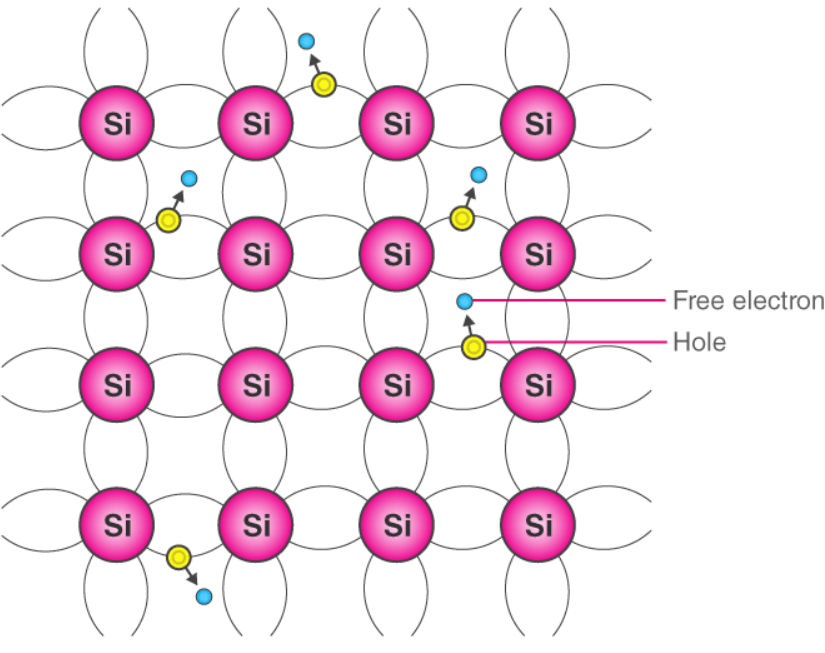
The substance is in its form with nothing added to it. When electrons move from the valence band to the conduction band, the substance becomes able to conduct. The electrons in the valence band are moving to the conduction band. This movement is what makes the substance conductive.
Extrinsic Semiconductors
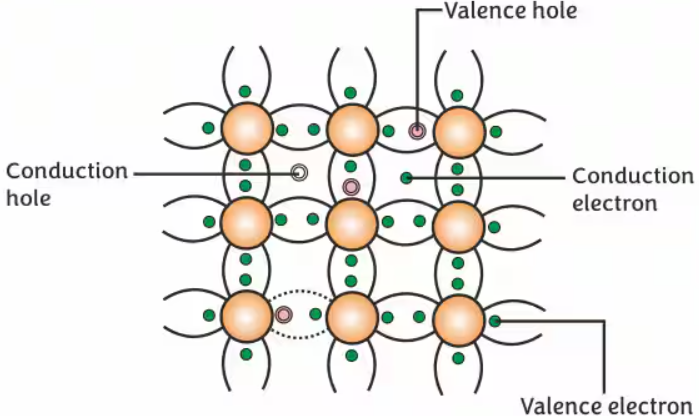
People add impurities to doped semiconductors. This is done to make the doped semiconductors work better. The main goal of adding these impurities to the doped semiconductors is to increase the conductivity of the doped semiconductors.
n-type Semiconductor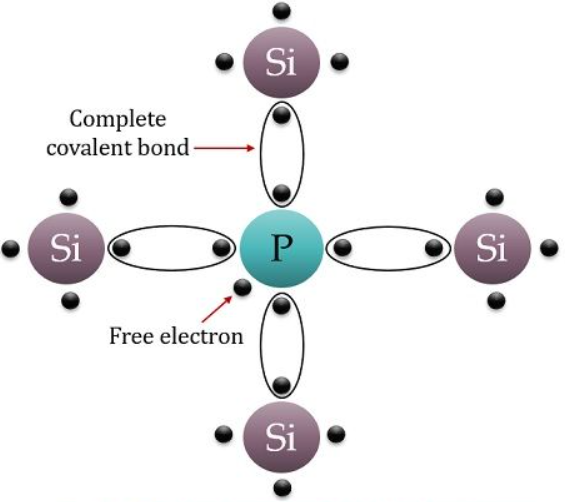
- The material is doped with elements that have outer electrons, rather than the main material. This means some electrons can move freely.
- The main things that conduct electricity are electrons. These electrons are what do most of the work while holes do very little.
p-type Semiconductor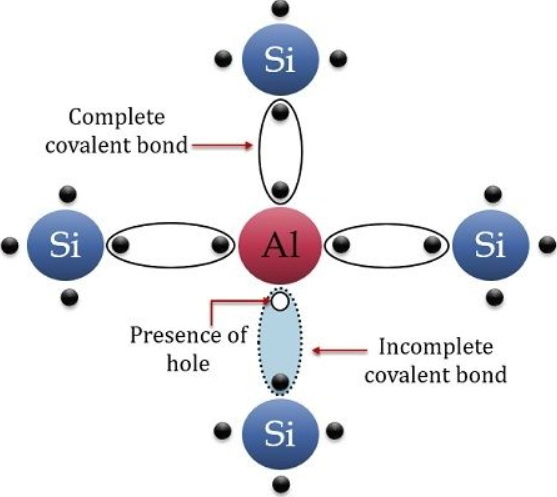
- Doped with elements that have valence electrons. This makes holes that can move and carry current.
- Electrons are not the main carriers; holes are, while electrons play a smaller role.
- Or simply rephrased to electrons play a smaller role, holes are the major carriers
The p-n Junction
- A p-n junction is made when you connect a p-type semiconductor and an n-type semiconductor.
- This is really important for things like transistors, LEDs, and diodes.
- There are two kinds of bias.
- Forward Bias is when current can flow easily.
- On the other hand, very little current can flow when it is in reverse bias.
Semiconductor Devices
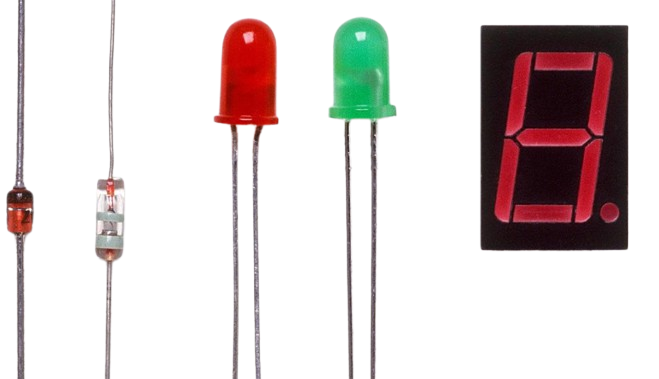
- Diode: A Diode is really simple. It is based on a p-n junction. This means it lets flow only in one direction.
- LED (Light Emitting Diode): When you make a Diode forward biased, like with an LED, which is a light-emitting diode, it gives off light.
- Photodiode: A photodiode does the opposite of an LED. It turns light into current.
- BJT (Bipolar Junction Transistor): Bipolar Junction Transistors, which people call BJTs for short, are used to make signals stronger.
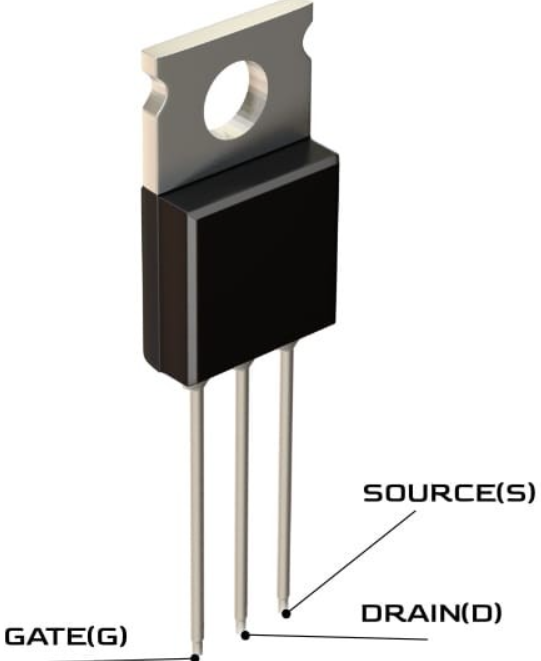
- MOSFET (Metal-Oxide-Semiconductor FET): Metal-Oxide-Semiconductor FETs, or MOSFETs for short, are like switches that are controlled by voltage.
The Fundamental Concepts of Electronic Circuits and Devices serve as the foundation for all modern electronics. These are the concepts that enable us to create and comprehend everything that makes our lives easier, such as cellphones, radios, and computers.
You may essentially speak the language of electronics after you grasp these concepts. This implies that you can discover all the amazing things you can accomplish with technology and come up with fresh ideas.
Electronic Logging Devices (ELDs)
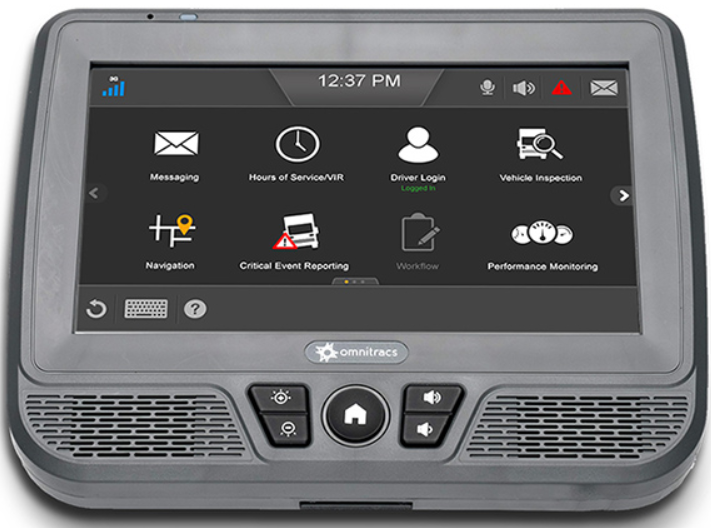
Systems that use computers to monitor how a driver has been operating a large truck or bus are known as electronic logging devices. The truck’s engine is related to these systems. They monitor the length of time the engine has been operating, the truck’s distance travelled, and its location. Electronic logging devices’ primary purpose is to ensure that drivers adhere to the regulations governing the amount of time they can drive without stopping. This is done to keep drivers safe and prevent them from becoming overly fatigued when operating Electronic Logging Devices.
Usage
Electronic logging devices are quite beneficial. They lessen the weariness of drivers. It’s a deal.
- Decrease tiredness among drivers
- Boost traffic safety
- Stop individuals from falsifying their paper logbooks.
- Facilitate regulators’ compliance checks
Intelligent Electronic Devices
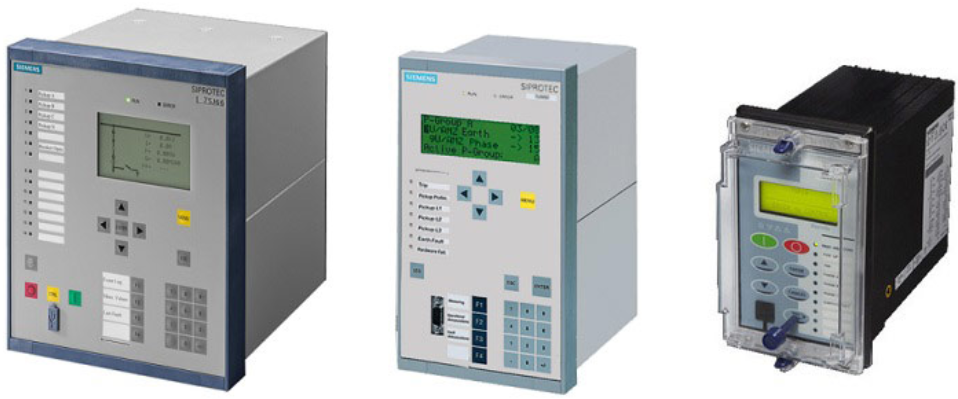
Many trucks are required to utilize logging equipment, according to the US government. This is because of the Federal Motor Carrier Safety Administration rules. The logging device mandate, which went into effect in 2017, led them to create these regulations. The use of electronic logging equipment is crucial. When trucks utilize them, they contribute to making the roads safer.
A gadget with a little computer inside it is called an intelligent electronic device. The mechanisms that provide us with electricity make use of it. It assists us in keeping an eye on events, maintaining control, keeping everything secure, and automating processes. The power system provides data to these devices. can even give directives to improve and secure situations or make decisions on their own.
Intelligent electronic devices are utilized in many different applications, such as the systems that provide electricity to individuals and the factories that send out electricity.
Main Functions
- Monitoring: This device measures the frequency as well as the voltage and current. Even the voltage, current, and frequency power levels are measured by it.
- Protection: Uncovers errors such as overloads or circuits. After that, it initiates damage-prevention measures. The preventative measures aid in preventing damage from the flaws.
- Control: This person deals with switches, transformers, and circuit breakers. These devices are used to regulate the electrical flow. Circuit breakers are used by the individual. In addition, they run switches and transformers.
- Communication: The system communicates with other devices and control systems. In reality, it constantly exchanges data with other devices and control systems. This implies that the system is constantly exchanging data with other devices and control systems.
Common Types of IEDs
Examples of intelligent electronic devices include:
- Protective relays
- Digital fault recorders
- Programmable logic controllers (PLCs)
- Remote terminal units (RTUs)
- Smart meters
Key Components
Most IEDs contain:
- Microprocessor or microcontroller
- Sensors or measurement inputs
- Communication interfaces (Ethernet, serial, etc.)
- Software for automation and analysis
IEDs are really important in today’s grids. You can usually find them in:
- Electrical substations
- Power generation plants
- Industrial automation systems
- Renewable energy systems
Cooling Electronic Devices
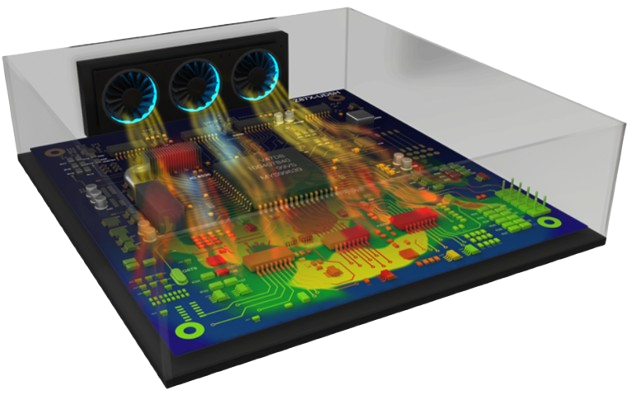
The Cooling electronic devices generate heat while operating because electrical energy is partly converted into thermal energy. Cooling systems are therefore essential for maintaining the reliability and efficiency of electronic equipment. Proper cooling helps to:
Preventing component overheating is crucial to maintaining devices’ functionality. Preserve the functionality of electronic gadgets so they continue to function as intended.
- Make gadgets endure longer by extending their lifespan.
- Lower the possibility of device system failure so that they don’t abruptly stop functioning.
Avoid component overheating. To get the most out of electrical devices, keep their performance steady. To prevent issues, lower the likelihood that a device’s system will fail. Make gadgets endure longer by extending their lifespan.
Electronic Monitoring Devices
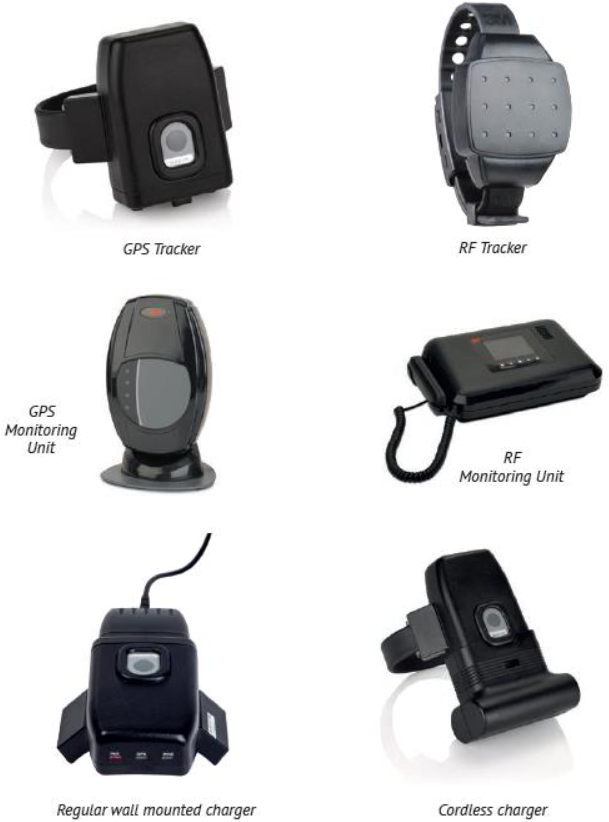
Electronic monitoring devices are tools that assist us in keeping a watch on events. They are able to keep tabs on people’s activities, observe events, and document everything.
Many fields, including security, healthcare, and environmental protection, use electronic monitoring. In factories and other industrial systems, we also employ monitoring.
Types of Electronic Monitoring Devices
Security Monitoring Devices
- Surveillance cameras
- Motion detectors
- Alarm systems
Health Monitoring Devices
- Heart rate monitors
- Blood glucose monitors
- Wearable fitness trackers
Environmental Monitoring Devices
- Air quality sensors
- Temperature and humidity monitors
- Radiation detectors
Industrial Monitoring Devices
- Equipment condition sensors
- Energy monitoring systems
- Network monitoring tools
Electronic Planner Devices

You can manage your life with the aid of electronic planner devices. They enable you to store notes, manage projects, and arrange your schedule. These gadgets resemble paper planners but come with additional functionality. To help you stay on course, they can, for instance, give you alarms and reminders. Additionally, you may sync them with gadgets like your computer or phone. You may access your planner in this manner from any location. They serve as a tool for maintaining organization.
Types of Electronic Planner Devices
Personal Digital Assistants (PDAs)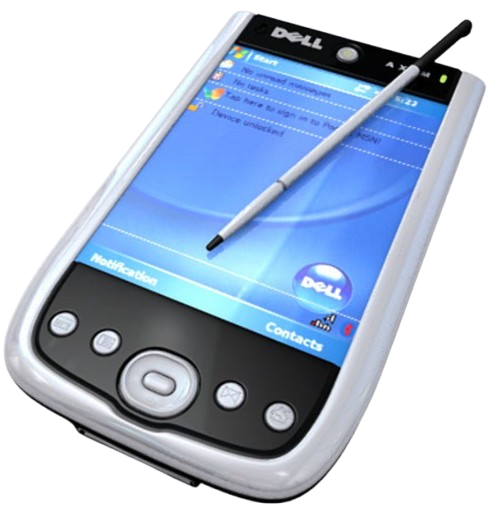
These planners were small, portable devices that had a calendar, a contact list, and a task management feature. With everything you needed in one location, the electronic planners were incredibly beneficial.
Smartphone Planner Applications
People utilize planner apps on their smartphones to keep themselves organized. These applications assist users with work and scheduling management. Planner apps are a crucial component of smartphones, which have become a part of our everyday lives.
Dedicated Digital Planners
These resources are excellent for assisting individuals in completing tasks. They are excellent for taking notes and creating plans. The note-taking and planning features are quite helpful. They assist users in making plans and taking notes, which is very beneficial for using the tools to complete tasks.
Transactions on Electronic Devices
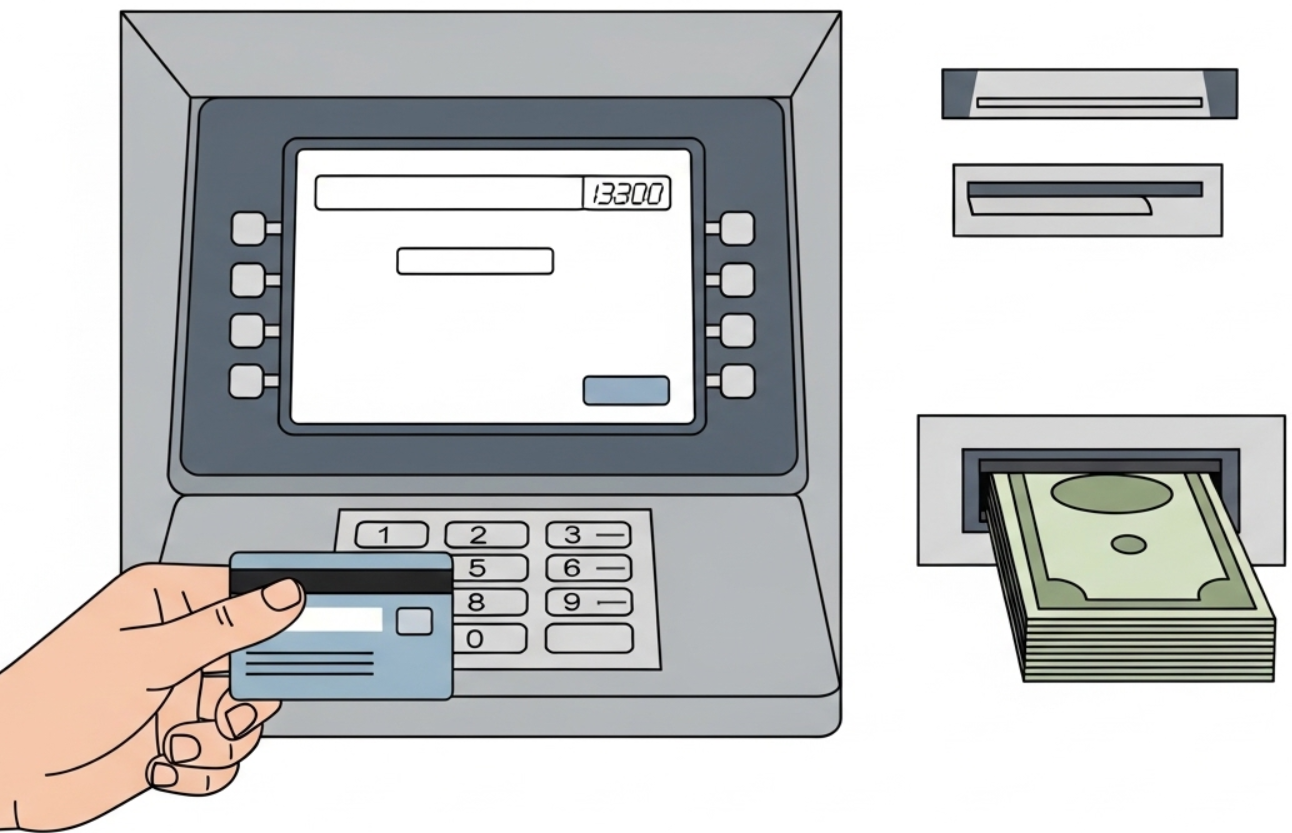
When we discuss transactions on gadgets, we are referring to the exchange of money or information using electronic devices. Transactions using electronic devices are crucial for activities like purchasing and selling goods, doing banking, and communicating with others. Transactions involving electronic gadgets are an aspect of modern life.
Types of Transactions on Electronic Devices
Financial Transactions
- Online banking: Transfer money across accounts using the bank app. I pay my bills via the bank app as well. Money transfers and bill payments are made simple by the bank app.
- Mobile payments: When I’m making a purchase, I like to use apps like Apple Pay, Google Wallet, or PayPal. I have no trouble using these applications to make purchases. I can just pay for products with PayPal, Apple Pay, or Google Wallet.
- Point-of-sale (POS) transactions: You can use a card or your device to pay for the items you want to buy when you visit the store. You can pay for the items you are purchasing with your device.
Data Transactions
- File sharing: When you visit the store to make purchases, you have the option of using your device or a card to pay for what you want. The card can be used to make purchases. You can pay for the items you are purchasing using your device.
- Cloud-based services: It is available on all devices. In a similar manner, you receive the files on your device when you download data from Dropbox. After that, you can use them offline. They assist you in sharing info with other people. After that, the other person can download it. In general, Dropbox and Google Drive are platforms. They simplify the process of uploading and downloading data.
- Email and messaging: Computers allow us to communicate with one another. It occurs immediately. This is a result of our ability to communicate electronically over time. An excellent method of communication is the timely electronic exchange of information.
E-commerce Transactions
- Online shopping: I enjoy making purchases through mobile apps or websites.
- Digital subscriptions: When you purchase something, such as a movie or application, you gain access to it for your own use. This also applies to websites that require payment, such as music.
Electronic Device Shredding
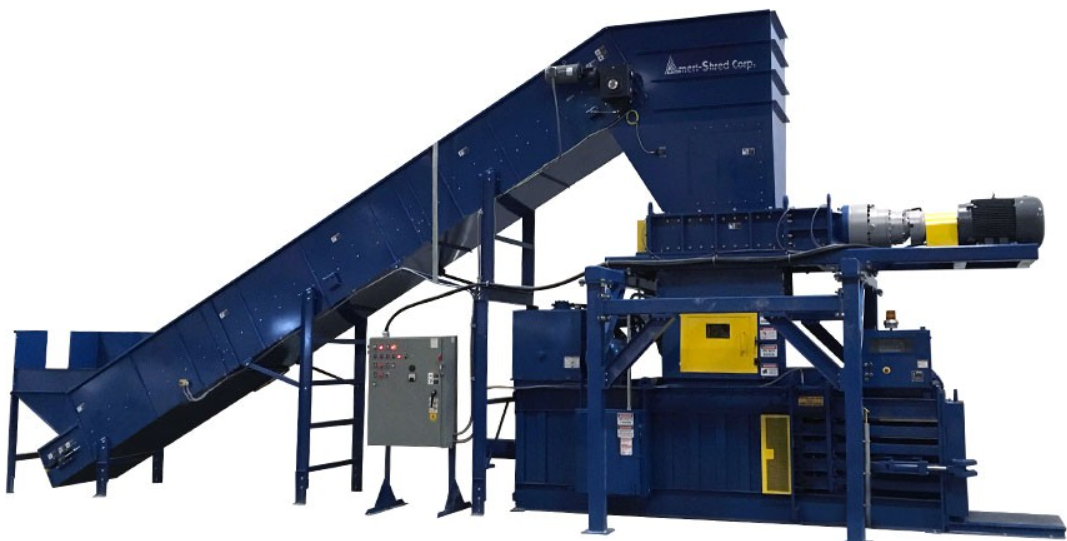
Electronic device shredding is the process of destroying storage media and equipment to prevent access to private information. We take this action to protect our data, protect the environment, and adhere to privacy regulations. Shredding electronic devices is crucial to preventing improper use of our gadgets and storage media.
Devices Commonly Shredded
- Computers and laptops
- Hard drives and SSDs
- Smartphones and tablets
- USB drives and memory cards
- Printers and other office electronics
Electronic Pest Control Devices

Pests are kept at bay with the aid of electronic pest control devices. They employ chemical technology. These devices are used for pest management in homes, workplaces, farms, and businesses. They are a good substitute and non-toxic. The majority of electronic pest control devices operate by:
Waves to frighten vermin. Pest-affected fields. Use light signals to alter the behaviour of pests. Pests, including rats, insects, and other undesirable creatures, are the targets of these devices. One option is to use electronic pest control equipment. They are employed in some areas to manage pests. The gadgets are made to be safe for both humans and animals. They offer a non-toxic method of controlling pests.
Ultrasonic Devices
- These waves are unique in that their frequency is extremely high. These kinds of waves are not audible to humans, but pests like insects and rodents detest them. Insects and rodents are among the pests that are disturbed by these sound waves.
- I’m curious about those plug-in devices that deter mice and cockroaches with sound. You know, the cockroach and mouse repellents that plug in. These are ultrasonic plug-in repellents effective against cockroaches and mice.
Electromagnetic Devices
- To disrupt the pests when they are attempting to build a nest or move around, we can alter the fields in the wiring.
- To keep rodents away, people typically apply this in the attic or on the walls.
Electronic Traps
- To eradicate pests, use electricity.
- Try utilizing rodent traps or fly swatters that provide a powerful shock.
- These devices employ currents to capture or eliminate pests like rodents and insects.
- Flies can be effectively killed using electric fly swatters.
- Rodents can be killed with the rodent traps.
- These instruments have a powerful enough shock to eradicate bugs.
- This approach is simple. doesn’t employ chemicals.
- All you have to do is use caution when using these tools.
Light-based Devices
- Insects can be drawn to and captured by light or other types of light.
- Mosquitoes and flies can be killed with devices known as bug zappers.
- The majority of pest control devices employ light, electromagnetic fields, or sound to alter the behaviour of insects like flies and mosquitoes.
Data Electronic Devices
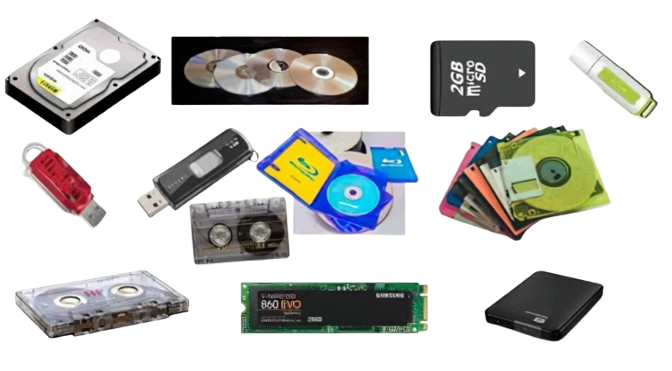
The Data Electronic devices can gather data, store it, use it, send it to other locations, or present it to us. These gadgets are essential for things like computers, phones, and self-sufficient machinery. An electronic device is essentially anything that makes use of information. In our lives, electronic devices are crucial. To make our lives easier, we utilize data devices.
Types of Data Electronic Devices
Storage Devices
- Hard drives (HDDs) and solid-state drives (SSDs)
- USB flash drives
- Memory cards
Input Devices
- Keyboards and mice
- Scanners
- Sensors and RFID readers
Output Devices
- Monitors and screens
- Printers
- Speakers
Communication Devices
- Routers, modems, and network switches
- Bluetooth or Wi-Fi adapters
- Cellular devices and IoT modules
Processing Devices
- Computers and laptops
- Microcontrollers and microprocessors
- Servers and cloud computing systems
Electronic Ear Protection

Tools that help protect your ears from extremely loud noises are electronic ear protection devices. They still allow you to hear warning signs and conversations. Electronic ear protection devices use speakers, microphones, and other digital components to regulate sound levels.
- Noise Reduction: This is due to the natural reduction of loud noises above a threshold to safe levels.
- Amplification of Quiet Sounds: Low-level noises become more audible. This facilitates communication and alerts. They remain audible.
- Active Noise Cancellation (ANC): Some gadgets constantly block out background noise by using ANC. ANC aids in filtering out constant noise. It is quieter thanks to these gadgets. They eliminate noise.
Electronic Rust Protection
One method of preventing rust from developing on metal is electronic rust protection. Another name for it is electrical corrosion prevention. This technique prevents rust by using signals or currents. One kind of iron oxide that develops on metal surfaces is rust. It can lead to issues with machinery, pipes, and automobiles.
Lowering maintenance expenses is the aim. You can save money by utilizing rust prevention. This current aids in preventing the formation of rust. It protects the metal surface. This approach works incredibly well. It can help to extend the life of metal objects. Vehicles, pipelines and machinery can all benefit. They will last longer. Require less maintenance.
Cathodic Protection
- The metal we wish to safeguard is connected to an electrical current.
- The reactions that cause the metal to corrode are stopped by this electricity.
Rust Inhibitors
- Devices emit back-and-forth currents or electricity bursts.
- The way metal surfaces interact with air is disrupted by these signals.
Electronic Rust Protection Devices
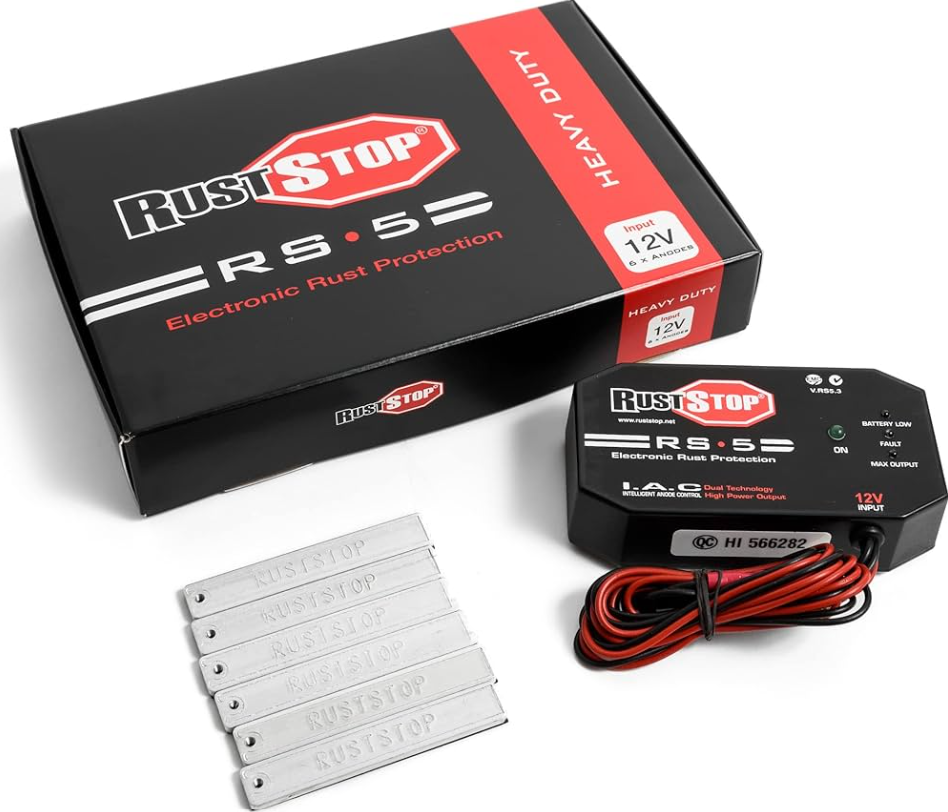
To do this, they employ electricity. They prolong the life of the metal and reduce repair costs. When it comes to preventing corrosion on metal surfaces, electronic rust protection systems are excellent. This indicates that metal objects may withstand rust corrosion for a very long time.
Vehicle Rust Protection Devices
- These items are designed for vehicles such as cars, trucks, motorbikes, and boats.
- Typically, they are placed beneath the car or in the engine bay.
- These items’ primary function is to prevent the car’s body and frame from rusting and collapsing.
Industrial Rust Protection Systems
- Offshore platforms, storage tanks, and pipelines all require cathodic protection.
- Cathodic protection systems that combine impressed current systems with anodes are one type of cathodic protection.
Structural Rust Protection Devices
- Bridges, steel frames, and machinery should be long-lasting.
- This is excellent for equipment, steel frames, and bridges.
- It lessens rusting. This is particularly true in areas that are exposed to salt or humidity.
- Therefore, when you use this, corrosion is not an issue for machinery, steel frames, or bridges.
Electron Dash
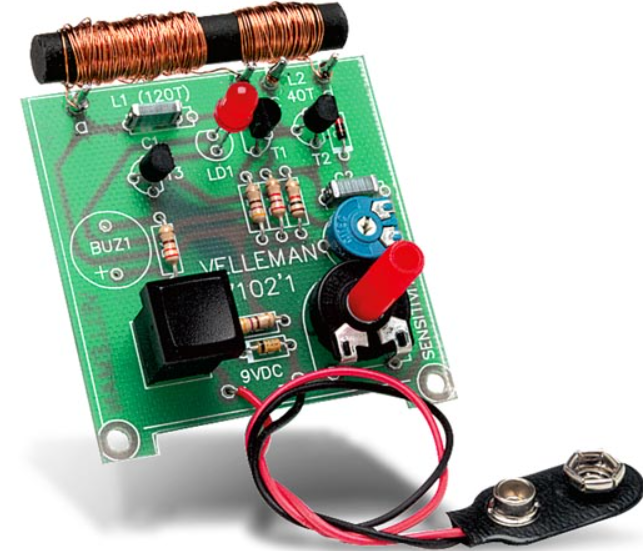
The Electron Dash has several meanings. It generally has to do with dashboards. Systems power these dashboards. They display data promptly. “Electron Dash” might indicate several things depending on the technology or sector.
Automotive / Vehicle Dashboards
In cars, the electron dash is something that people talk about. It is an instrument cluster. This means it uses displays instead of the old-style analog gauges. The electron dash is what you see when you look at the dashboard of a car. It shows you information about the electron dash and how it works with displays. Features may include:
- The vehicle’s tachometer and speedometer display figures on a screen.
- You can see the amount of oil in the automobile, the amount of fuel remaining, and the battery’s power.
- There are warning lights that come on when something is wrong with the car.
- Certain cars have capabilities that allow you to alter what appears on the screen and obtain information about your current driving style.
Software Dashboards
Therefore, an electron dash is essentially a screen that displays data from sensors or other devices when we discuss software or things like internet-connected devices. This data is electronic in nature. Similar to a dashboard, the electron dash displays this electronic data in an intelligible manner. Features include:
- In order to monitor metrics in real time, we must keep a watch on events as they occur.
- In order to let us know when something is wrong, the system will send us condition warnings.
- Here, we are discussing metrics and control over devices in real-time.
- Additionally, we have control over the devices linked to the system, which is crucial for ensuring that everything functions as it should.
- This means that data visualization, which includes tools like gauges, graphs, and charts, allows us to visualize what is happening.
3D Electronic Devices

In a sense, their shapes are what make them function. The flat things we see are not like this. Electronics and semiconductor technologies are two areas where 3D electronic devices are crucial. We are referring to three-dimensional gadgets with three-dimensional structures.
Key Features of 3D Electronic Devices
Three-Dimensional Architecture
- This means the device takes up space.
- Circuits, transistors, or sensors improve the device’s functionality at that moment.
Enhanced Performance
- The computer can process signals more quickly when there are links between the levels.
- Additionally, the computer uses less energy and performs better at remaining cool, which is crucial for better heat dissipation and lower energy usage.
Advanced Applications
- Additionally, it supports flexible electronics and sensors.
- In applications, these are helpful.
- The technology reduces the size of devices.
- It makes use of space.
- Additionally, the devices are more adaptable.
- They can twist.
- They are therefore quite helpful.
- Density memory is present in the gadgets.
- Compact sensors are tiny.
- They are able to fit in places.
- The electronics are flexible enough to bend.
- They are not inflexible.
- Devices can take advantage of them.
3D Electronic Devices
Integrated Circuits (3D ICs)
- The silicon chips are arranged in layers on top of one another.
- As a result, silicon chips such as processors, memory chips, and GPUs become smaller and operate more quickly.
Displays and Screens
- We don’t need glasses to see three-dimensional graphics on some monitors.
- We refer to them as displays. Our TVs, monitors, and augmented reality gadgets all make use of these screens.
Sensors
- Record both 2D data and depth information. This technology is utilized in cellphones.
- Additionally, it is utilized in automobiles, robotics, and gadgets for augmented reality and virtual reality, or AR/VR for short.
Printed Electronics
- Using specialized electrically conductive inks, people are creating three-dimensional circuits.
- These electronic circuits can be incorporated into timepieces and other items that are part of the structure of objects.
Advantages
- Features can be found in a smaller space because of the compact design.
- Signals travel a distance, resulting in faster performance.
- Heat can escape more readily when thermal management is improved.
- This facilitates technology such as wearable technology, 3D imaging, and flexible electronics.
Constant Electronics
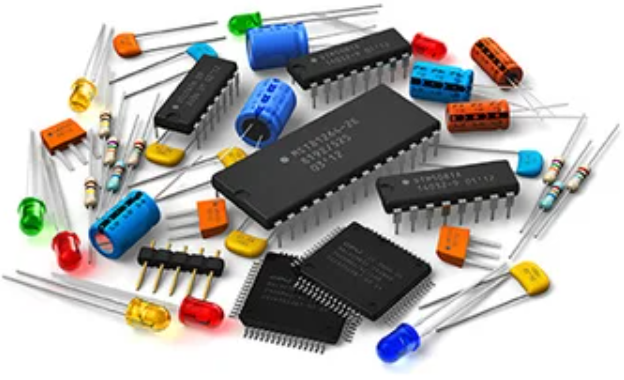
Constant electronics are electronic devices or circuits that maintain stability. We get electricity, voltage, or current from these reliable electronic systems. They are employed in situations where stability and accuracy are crucial. Having stable electronics is crucial in these circumstances. We depend on constant electronics to supply voltage, current, and power.
Constant Voltage Electronics
- We get a voltage output from devices or circuits.
- This implies that even when the load varies, they maintain the same voltage.
- Power supply voltage regulators are crucial.
- They ensure that the power supply provides devices with a constant voltage.
- The electronics require this fixed voltage to function.
- Voltage regulators assist in maintaining a constant voltage for the electronics.
Current Electronics
- They provide a constant current; circuits are incredibly helpful.
- This holds even if the load or resistance varies.
- Battery charging systems and LED drivers are two common applications for them.
- This aids in protecting these systems from harm.
Power Electronics
- Keeps a load’s power supply stable.
- Some systems take advantage of it.
- It is also essential to have precision equipment.
- It is crucial to shield devices from electromagnetic pulses, or EMPs.
- It goes beyond simply preparing for events.
- It’s about maintaining the technologies we use on a daily basis.
- Surge protectors are one way to safeguard your gadgets. Faraday cages are useful as well.
- It’s also crucial to store electronics correctly. By doing these actions, damage can be avoided.
- It can be beneficial to be aware of the risks and take precautions.
- Electronics may be kept functional with simple preventive measures.
- This implies that everyday life, work, and communication can continue as usual.
- In unforeseen circumstances, this is accurate.